
Nutrient Management
pH and EC meters, pH test kits, calibration and storage solutions, pH Down and pH Up, dechlorinator, Liquid Oxygen, jugs, syringes and pipettes: the tools to measure and manage a nutrient solution.
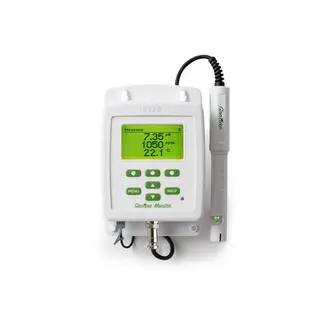 In Stock
Hanna Instruments
£404.96
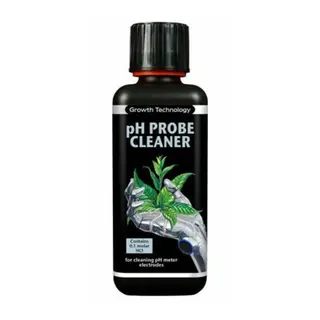 In Stock
Growth Technology
pH Probe Cleaning Solution 300ml
£6.26
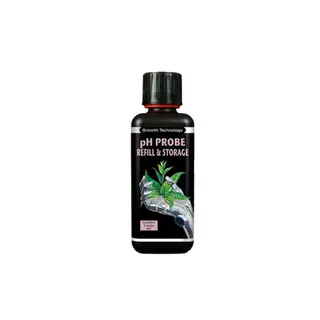 In Stock
Growth Technology
pH Probe Storage Solution 300ml
£6.26
 In Stock
Canna
£4.91
 In Stock
Dr Hydro
£17.96
 In Stock
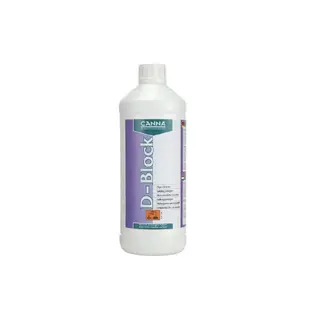
Canna
£22.46
 In Stock
Aqua Master
Aqua Master Combo Pen P110 Pro
£67.46
 In Stock
Aqua Master
Aqua Master EC Temp Meter E50 Pro
£49.46
 In Stock
House & Garden
£12.56
 In Stock
Hailea
£256.46
 In Stock
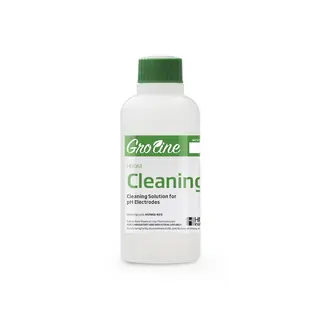
Hanna Instruments
Groline Electrode Cleaning Solutions
£9.86
 In Stock
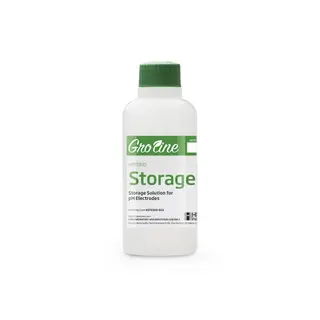
Hanna Instruments
Groline Electrode Storage Solutions
£9.86
 In Stock
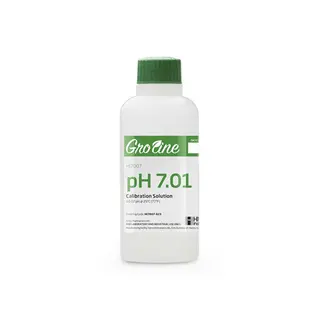
Hanna Instruments
Hanna Calibration/Buffer Solutions
£10.76
 In Stock
Growth Technology
£2.66
 In Stock
Growth Technology
£2.66
 In Stock
Intense Nutrients
Intense Pro Series - pH Down Ultra
£10.76
 In Stock
Growth Technology
£2.93
 In Stock
Athena
£35.96
 In Stock
FloraMax
£20.66
 In Stock
Atami
£8.06
 In Stock
Ecothrive
£5.36
 In Stock
Eheim
£21.56
 In Stock
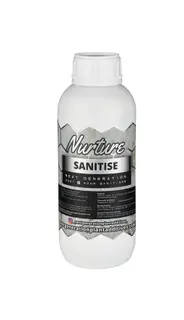
Nurture
£22.46
 In Stock
Gompels
£0.90
About Nutrient Management
Measuring
A pH pen (Bluelab pH Pen, Aqua Master P50 Pro, or the P110 combo pen that also reads EC) tells you whether the solution is in the range roots can absorb: 5.5 to 6.5 in coco and hydro, a little higher in soil. An EC meter (Bluelab Truncheon, Aqua Master E50 Pro, GroLine pH/EC monitor) measures the strength of the feed, so you can follow a chart in numbers rather than by eye. A pH test kit does the same job with drops and a colour chart, cheaply and without batteries.
Looking after meters
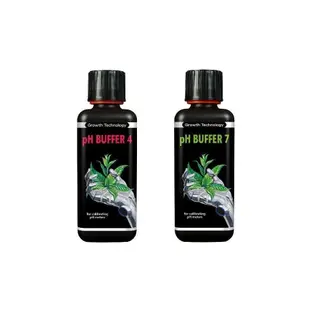
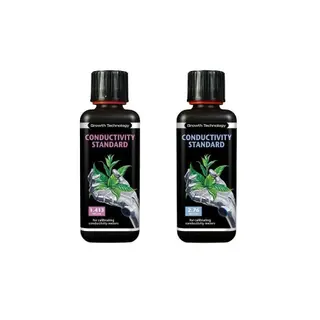
Calibrate pH pens every couple of weeks with pH 4 and pH 7 buffer solutions, store the probe wet in storage solution, never in plain water, and clean it with probe cleaning solution when readings drift. EC pens need calibrating less often; keep EC calibration fluid to check them.
Adjusting and cleaning water
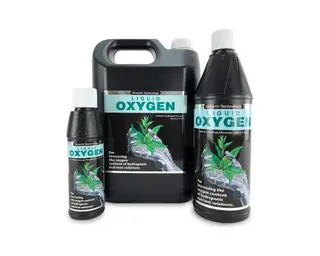
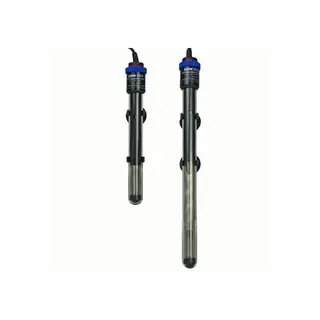
pH Down and pH Up nudge the solution into range: add a little, stir, wait and re-test. A dechlorinator removes chlorine from tap water before you add microbes. Liquid Oxygen is a hydrogen peroxide solution that adds oxygen to a reservoir, keeps it clean and sterilises a system between crops. Water chillers and tank heaters hold a reservoir at the right temperature.
Growers' Guides
- How to Calibrate a pH Pen or Meter, Check EC and Store the ProbeHow to calibrate a pH pen in pH 7 and pH 4 buffer step by step, how often to do it, how to check an EC meter, and how to store and clean the probe.
- Mycorrhizae, Trichoderma and Beneficial Bacteria for PlantsMycorrhizae, Trichoderma and beneficial bacteria: what they do, when to add them in soil, coco or hydro, and the microbial products we sell compared.
- House & Garden Feed Chart: Aqua Flakes and Cocos Week by WeekThe House & Garden feed chart for Aqua Flakes and Cocos week by week, per US gallon and in ml per litre, with Roots Excelurator and Top Shooter.
- Dripper Systems: Origin, IWS Dripper Pro and DIY Drip LinesHow a hydroponic drip irrigation system works, the Origin and IWS dripper systems we sell, the parts to build your own, and how to keep drippers clear.
- Greenhouse, Grow Tent and Grow Room Heaters: Which to ChooseGreenhouse and grow tent heaters compared: tube heaters, fan heaters and the Thermoforge T7, the temperatures to aim for and how to add a thermostat.
- Why Are My Plant Leaves Turning Yellow? Causes and FixesWhy plant leaves turn yellow or burn, from tomatoes to houseplants: watering, feed, pH, light, heat, pests or a deficiency, and what to check first.
- Root Rot (Pythium): How to Spot, Fix and Prevent ItWhat root rot (pythium) looks like, what causes brown, slimy roots in hydroponics, soil and coco, how to prevent it and how to fix it.
- Reverse Osmosis (RO) Water for Growing: Do You Need a Filter?What reverse osmosis (RO) water is, why growers use it on hard tap water, the RO filters we sell, what to add back, and when you can do without one.